Flight Training Courses

PRIVATE PILOT LICENSE
A Private Pilot License (PPL) is the most sought-after type of pilot certification. In the United States, a Private Pilot License is actually called a Private Pilot Certificate and is similar to what a driver’s license is for automobiles. By earning a private pilot license, you can legally fly an aircraft. Flight training includes aircraft maneuvers, navigation, emergency procedures, and cross-country flight planning. While people may seek the license for hobby or sport reasons, a private pilot certification is the first major milestone on the road to becoming an airline pilot.
To enroll in our Private Pilot License course, you must meet the following requirements:
- Be at least 16 years old to fly solo.
- Be at least 17 years old to receive your Private Pilot License.
- Demonstrate English proficiency.
- Obtain a third-class FAA Medical Certificate or higher.

INSTRUMENT RATING
Instrument Rating refers to the qualifications that a pilot must have in order to fly under Instrument Flight Rules (IFR). It requires specific training and instruction beyond what is required for a Private Pilot Certificate or Commercial Pilot Certificate. This includes rules and procedures specific to instrument flying, additional instruction in meteorology, and more intensive training in flying solely by reference to instruments.
To enroll in our Instrument Rating course, you must meet the following requirements:
- Hold or be currently applying for a Private Pilot Certificate.
- Demonstrate English proficiency.
- Have 50 hours of cross-country flight time as pilot in command, including 10 hours in an airplane.
- Have 40 hours of actual or simulated instrument time in areas listed in 61.65(c).
- Complete 15 hours of instrument flight training.
- 20 hours of flight training with a CFII.
- 20 hours of simulator training.
- 30 hours of one-on-one ground instruction.
- 20 landing fees at FRG.
- All books and supplies.
- Gleim knowledge prep.
- Based on the average student.
COMMERCIAL CERTIFICATE
A licensed Commercial Pilot may act as pilot-in-command of an aircraft for compensation or hire. This includes carrying passengers or cargo, conducting aerial surveys, performing search and rescue operations, and more. In other words, holding a commercial pilot license means you are legally allowed to get paid for flying.
To enroll in our Commercial Pilot License course, you must meet the following requirements:
- Have 250 hours of total flight time, including 100 hours in a powered aircraft and 50 hours in an airplane.
- Have 100 hours of pilot-in-command time, including 50 hours in an airplane.
- Have 50 hours of cross-country time, including 10 hours in an airplane.
- Complete 20 hours of training, including 10 hours of instrument training and 10 hours in a complex or Technically Advanced Aircraft (TAA).
- Complete 10 hours of solo training.
- 22 Hours of Flight Training.
- 10 Hours One-on-One Ground Instruction.
- 30 Landing Fees at FRG.
- 411 Books and Supplies.
- Gleim Knowledge Test Prep.
- Based on the Average Student.
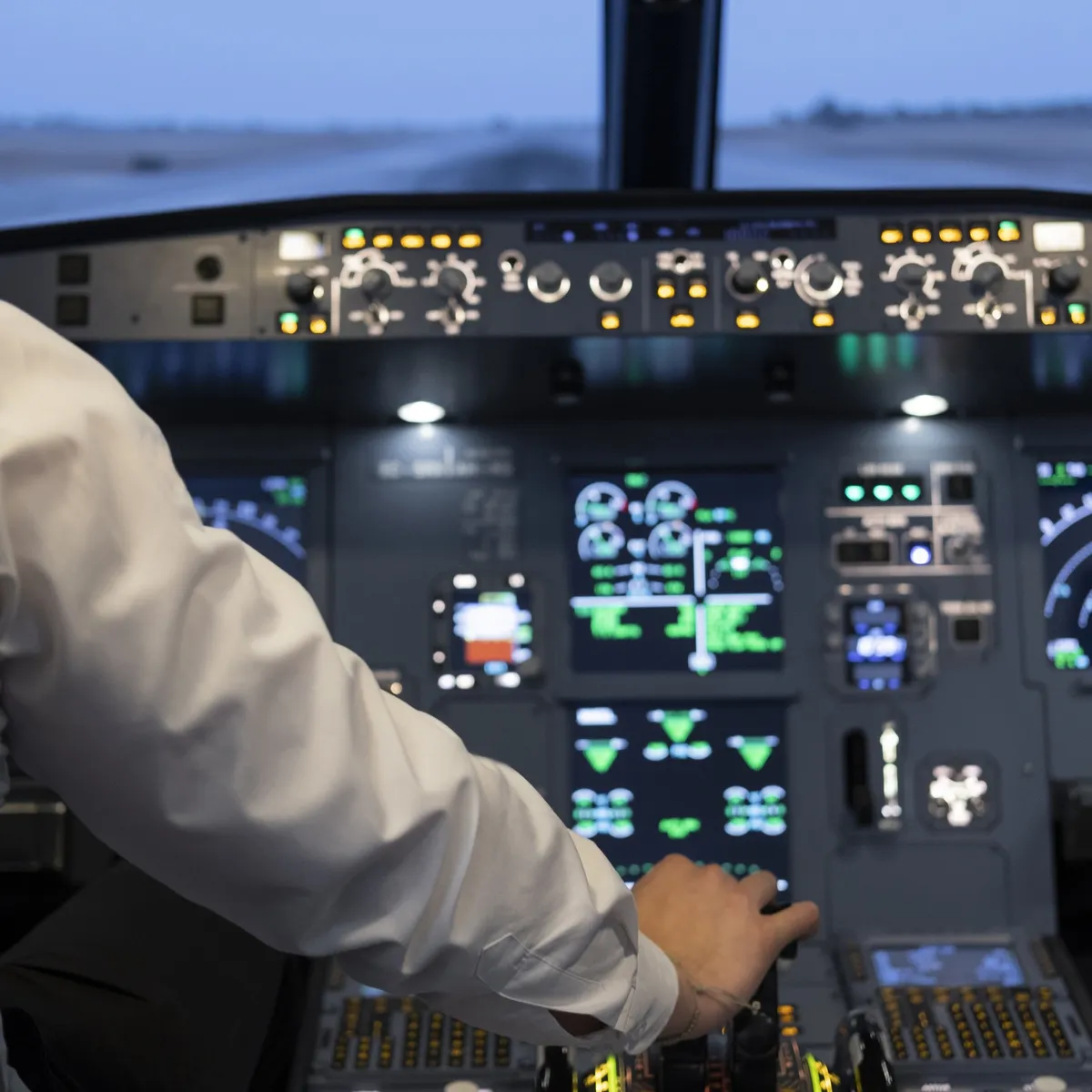
COMMERCIAL CERTIFICATE
A licensed Commercial Pilot may act as pilot-in-command of an aircraft for compensation or hire. This includes carrying passengers or cargo, conducting aerial surveys, performing search and rescue operations, and more. In other words, holding a commercial pilot license means you are legally allowed to get paid for flying.
To enroll in our Commercial Pilot License course, you must meet the following requirements:
- Have 250 hours of total flight time, including 100 hours in a powered aircraft and 50 hours in an airplane.
- Have 100 hours of pilot-in-command time, including 50 hours in an airplane.
- Have 50 hours of cross-country time, including 10 hours in an airplane.
- Complete 20 hours of training, including 10 hours of instrument training and 10 hours in a complex or Technically Advanced Aircraft (TAA).
- Complete 10 hours of solo training.
- 22 Hours of Flight Training.
- 10 Hours One-on-One Ground Instruction.
- 30 Landing Fees at FRG.
- 411 Books and Supplies.
- Gleim Knowledge Test Prep.
- Based on the Average Student.
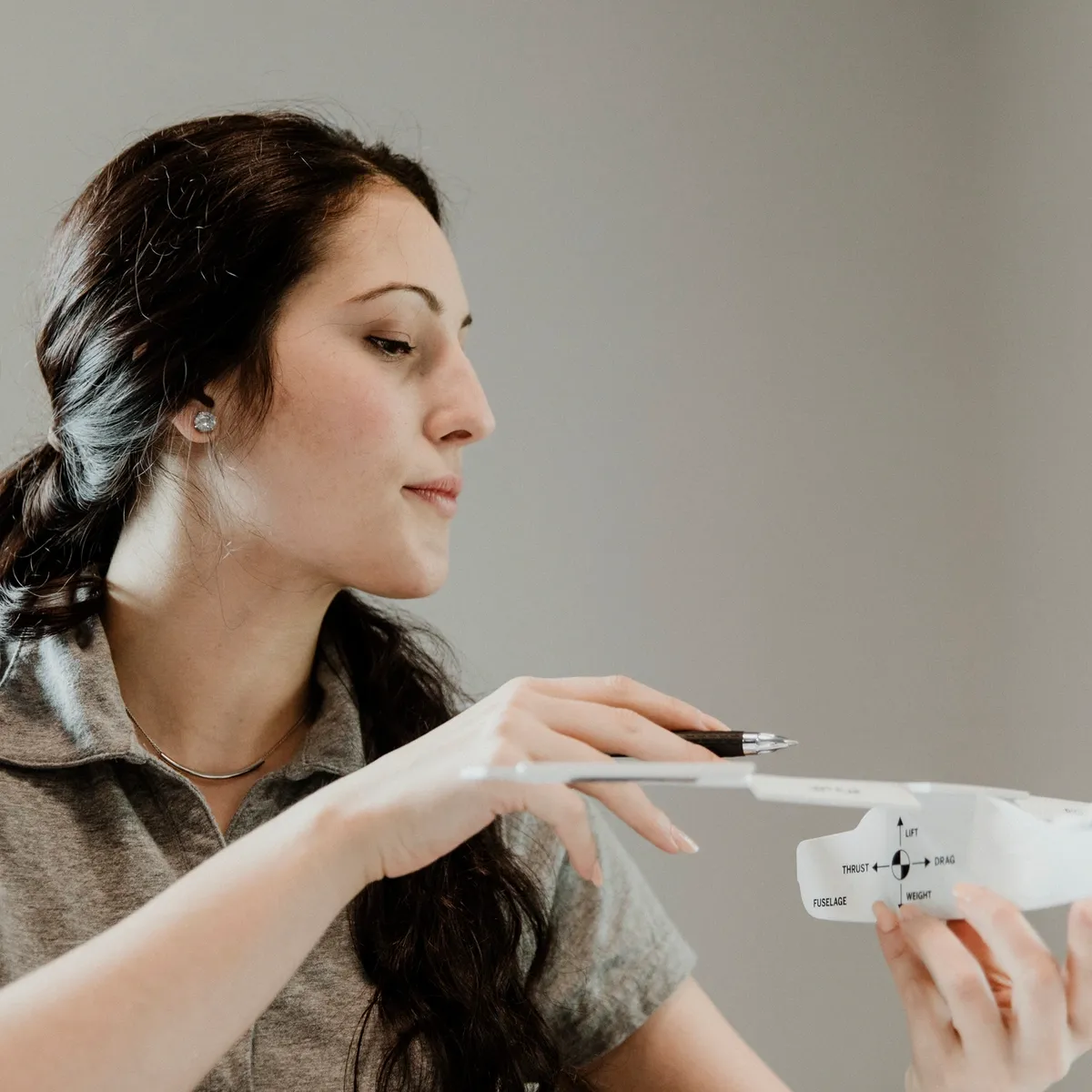
Flight Instructor Certificate(CFI/CFII)
As you progress through your aviation career, you may consider earning your Flight Instructor Certification. As a certified flight instructor (CFI), you can build flight experience quickly to meet airline and corporate hiring minimums. It’s a challenging and rewarding career that puts all your training and knowledge to use.
To enroll in our CFI/CFII course, you must meet the following prerequisites:
- Demonstrate English proficiency.
- Be at least 18 years old.
- Hold a Commercial Airplane License with an instrument rating.
- Have a current Third-Class FAA Medical Certificate.
- 13 Hours Flight with Certified Instructor.
- 40 Hours One-on-One with Ground Instructor.
- 20 Landing Fees at FRG.
- All Books and Supplies.
- Spin Endorsement.
- A Complete Set of Backseat Pilot.
- Electronic Lesson Plane.
FAA Private Pilot Test prep
Our course includes FAA ground school instruction, an online course manual (printed version available), real-time updates on FAA computer exam questions, and in-person instruction that focuses on teaching content first, then reviewing test questions.
Aviation Seminars has broken the FAA test into individual subject areas (see Topics Covered below). We teach each subject one at a time, followed by a review of related FAA test questions. This ensures that you not only learn the material thoroughly, but also understand how it will be presented on the exam before moving to the next topic.
- Course Content:
Pilot Certification and Principles of Flight - Airplane Certification and Airworthiness
- Airport Operations
- Airspace and Aeronautical Charts
- ATC Communication
- Weather Theory and Weather Services
- Airplane Instruments, Systems, and Emergency Procedures
- Weight & Balance and Aircraft Performance
- Radio Navigation
- Cross-Country Flight
- Night Flying, Aeromedical, and Decision-Making Factors
COMING SOON
Spots are limited!

FAA Private Pilot Test prep
Our course includes FAA ground school instruction, an online course manual (printed version available), real-time updates on FAA computer exam questions, and in-person instruction that focuses on teaching content first, then reviewing test questions.
Aviation Seminars has broken the FAA test into individual subject areas (see Topics Covered below). We teach each subject one at a time, followed by a review of related FAA test questions. This ensures that you not only learn the material thoroughly, but also understand how it will be presented on the exam before moving to the next topic.
- Course Content:
Pilot Certification and Principles of Flight - Airplane Certification and Airworthiness
- Airport Operations
- Airspace and Aeronautical Charts
- ATC Communication
- Weather Theory and Weather Services
- Airplane Instruments, Systems, and Emergency Procedures
- Weight & Balance and Aircraft Performance
- Radio Navigation
- Cross-Country Flight
- Night Flying, Aeromedical, and Decision-Making Factors
COMING SOON
Spots are limited!

Instrument Proficiency IPC Course
At our flight school, we believe in the principle: “Train the way you fly — fly the way you train.” This means we provide realistic scenarios that mimic real-world flying conditions, allowing you to practice and refine your skills in a safe and effective environment.
Our training focuses on Single Pilot Operations with Scenario-Based Training to ensure you are well-prepared for critical emergency situations.
Contact us
Apply Now!
We are excited to be accepting applications for the upcoming session! Download our application and attach it to this form. We look forward to hearing from you!
Contact Us at: (332)-200-8228
Contact us
Apply Now!
We are excited to be accepting applications for the upcoming session! Download our application and attach it to this form. We look forward to hearing from you!